
Insurance for Second-Home & Vacation Property Buyers
Buying a second home along the North Carolina coast is an exciting step, but insurance is often one of the most confusing parts of the process. Many buyers assume coverage works the same as their primary home, only to run into unexpected requirements.
Gary Bacon Insurance helps you understand what’s different about insuring a coastal second home, so you can move through the buying process with clarity. You get a clear plan before closing, not surprises after.
What Makes Coastal Second Homes Different
Second homes are typically unoccupied for periods of time, which increases risk and changes how insurance policies are structured. Coastal exposure adds another layer, with wind and flood considerations that don’t apply in many inland areas.
Understanding these differences early helps you avoid delays during closing. Instead of reacting to requirements, you can plan ahead and make informed decisions about your coverage.
What You’ll Likely Need for Coverage
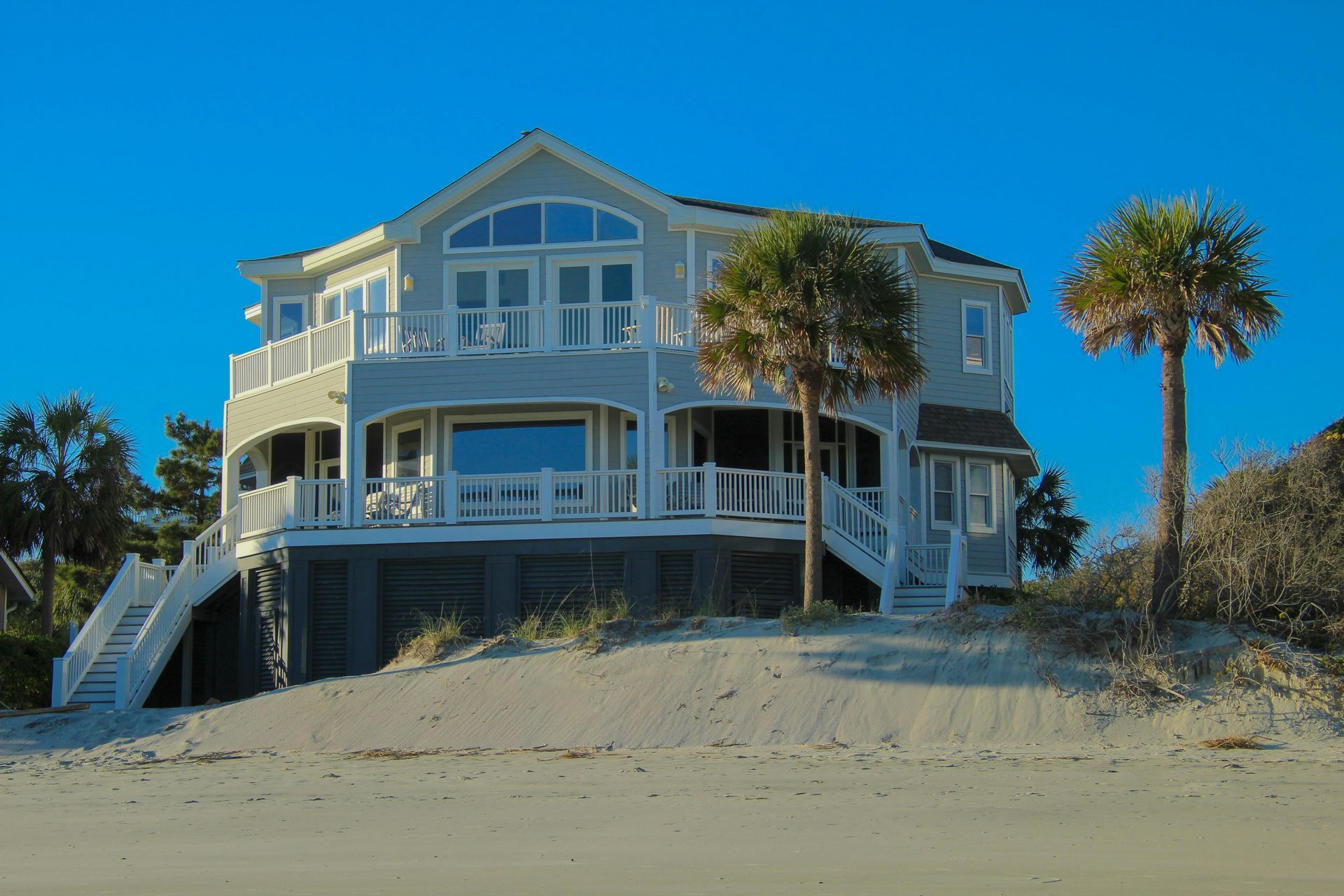
Most coastal second homes require more than just a standard homeowners policy. Coverage is often built using multiple policies working together to fully protect the property.
Having a clear understanding of this structure helps you avoid gaps and ensures your property is protected from multiple types of risk.
Insurance and the Home Buying Process
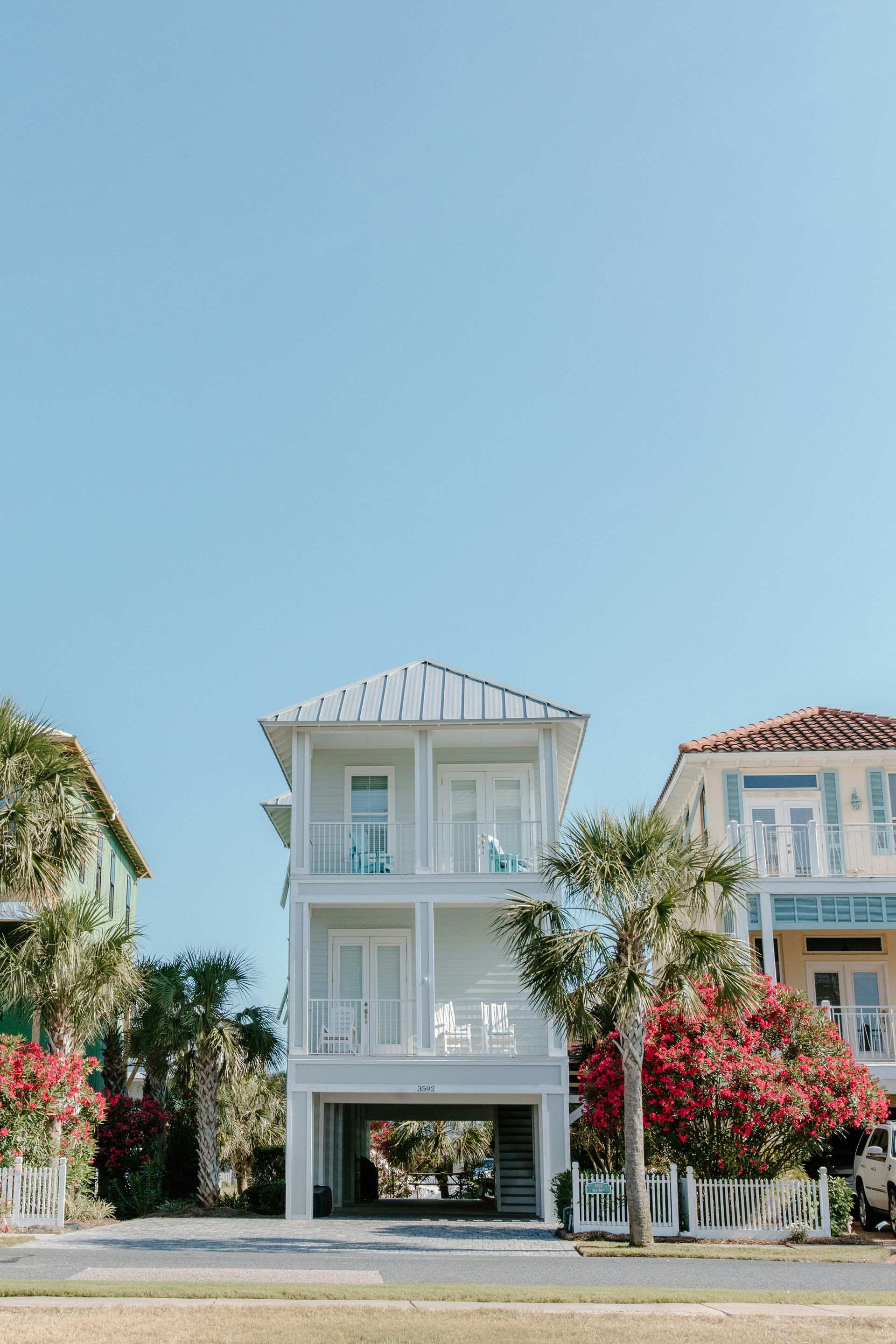
Insurance plays a role in your home purchase timeline, especially when lenders require proof of coverage before closing. Waiting too long to address insurance can create unnecessary stress or delays.
Starting early allows you to confirm requirements, review options, and have everything in place when it’s needed. This makes the process smoother and more predictable.

Avoiding Common Coverage Gaps
Many second-home buyers assume their policy includes wind or flood coverage, which is not always the case. These gaps can lead to significant out-of-pocket costs if not addressed properly.
Reviewing your coverage in detail helps you avoid these issues. Instead of relying on assumptions, you can move forward knowing your policy structure is complete.

Planning for Occasional Rental Use
Some second-home buyers plan to rent their property occasionally, which can affect insurance requirements. Even limited rental activity may require a different type of policy.
If rental income is part of your plan, it’s important to address this upfront so your coverage reflects how the property will be used.
Buying in Coastal North Carolina Locations
Different coastal communities can have different insurance considerations based on exposure, eligibility, and property type. Understanding these differences helps you choose the right coverage.
Local insight helps ensure your policy aligns with where you’re buying, not just general assumptions about coastal insurance.
Why Vacation Home Buyers Choose Gary Bacon
Buying a vacation or second home on the NC coast usually means navigating flood zones, wind requirements, and lender deadlines all at once — often from out of town. Gary Bacon has spent 30+ years guiding coastal buyers through exactly this process, coordinating coverage so it's in place before closing, not scrambled at the last minute. Clients choose Gary because he makes a stressful part of buying a home feel manageable.
Start with a Clear Coverage Plan
The easiest way to simplify the process is to start with a structured plan based on your property and goals. Instead of piecing things together on your own, you can get a clear breakdown of what’s needed.
This helps you move forward confidently, knowing your coverage is aligned before you finalize your purchase.